بسم الله الرحمن الرحيم · Bismillahir Rahmaanir Rahiim
TANZANIA ISLAMIC DEVELOPMENT COMMITTEE (KKUT)
KKUT Records and Reporting System
Store, protect and manage the Committee's documents, information and records from National, Zone, Region and District down to Ward level.

One nationwide network, one system
From National to Ward: every level has its own dashboard, permissions and records, all kept secure in one place.
Latest events
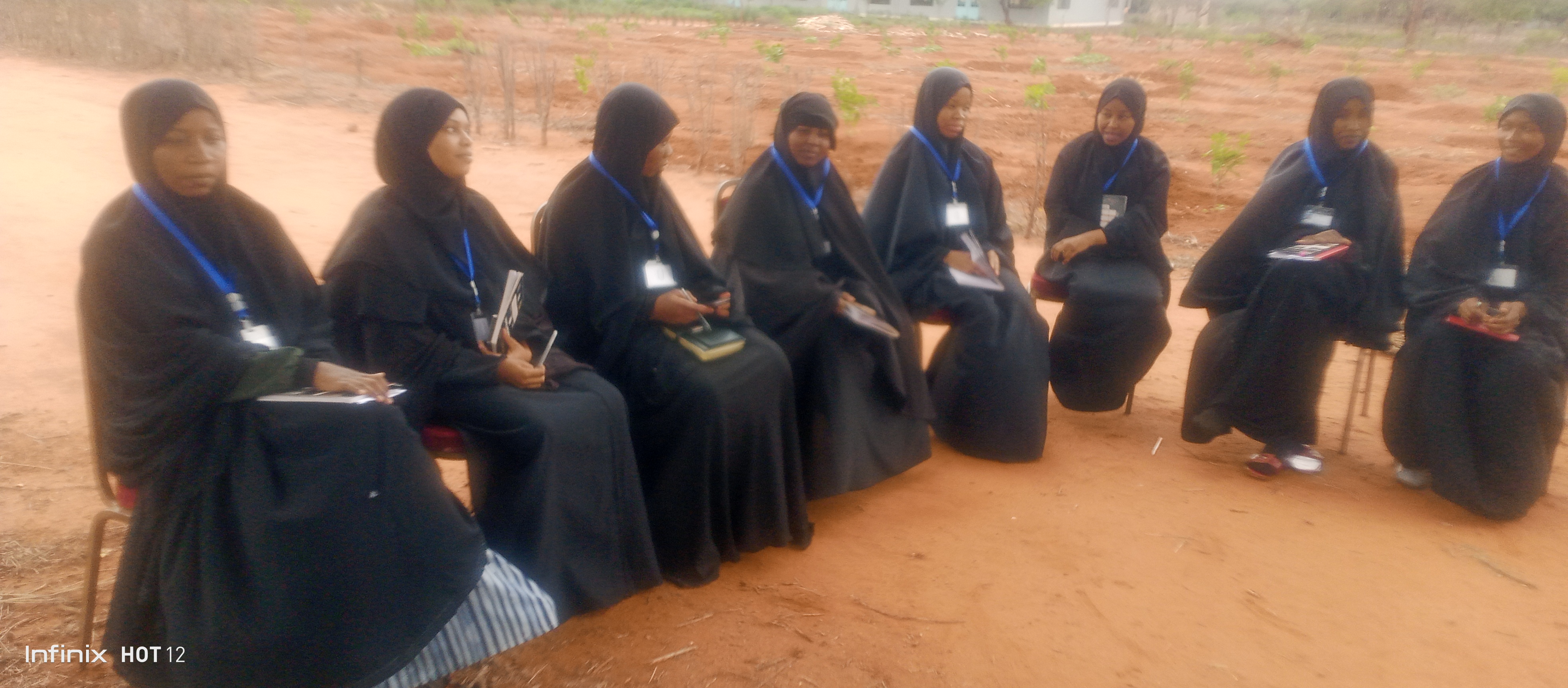
Programu ya wahitimu wa vyuo vikuu ikiendelea Chuo Cha Ualimu Cha Kiislamu Kirinjiko
.
16/10/2026
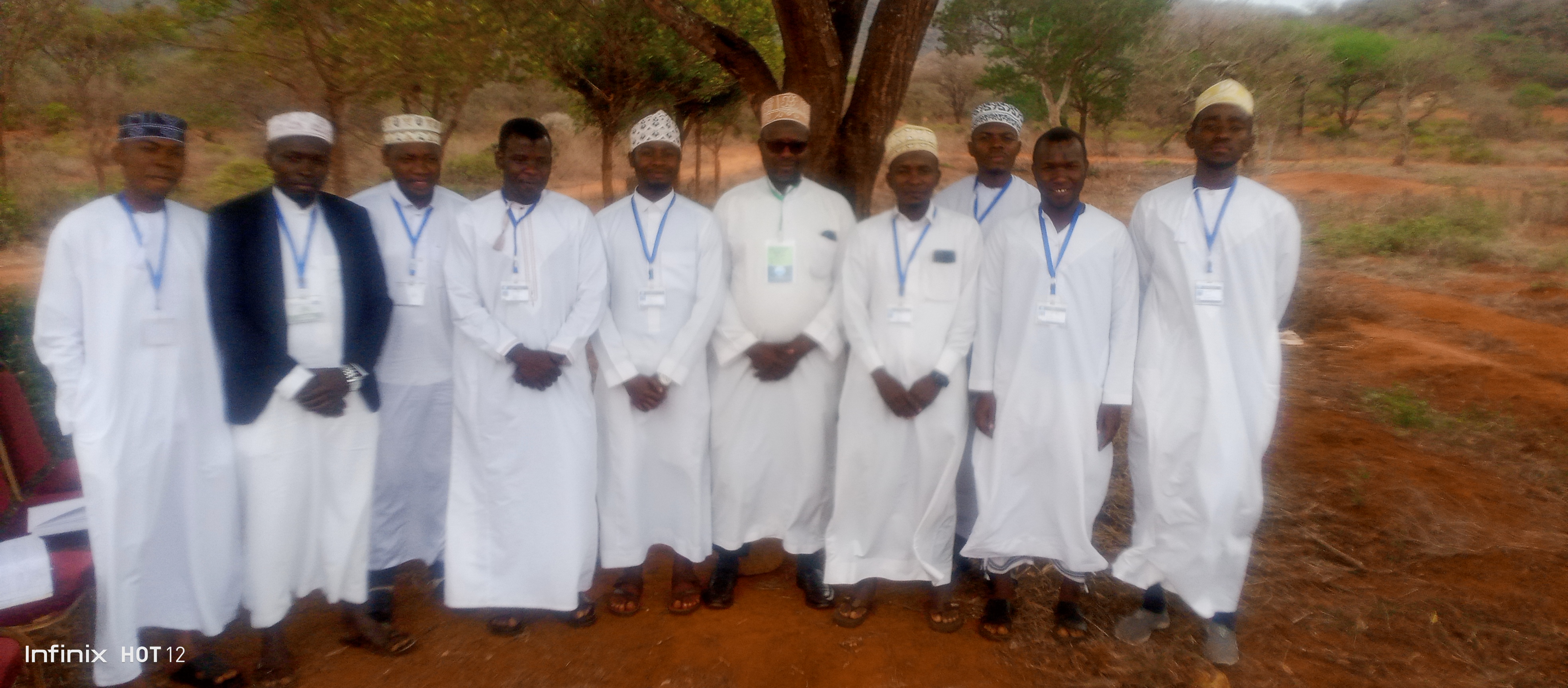
.
.
16/10/2026
About KKUT
The Tanzania Islamic Development Committee (KKUT) is a movement for reviving Islam and establishing justice in society. It was founded by activists from mainland Tanzania and Zanzibar in December 2002, following the command of Allah (s.w) in the Qur'an (3:104).
Calling to goodness
Making sure everyone in society receives the correct message of Islam in theory and practice, through programmes for all ages.
Enjoining good
Every member is a model in doing good and living Islam in practice.
Forbidding evil
Leading in abstaining from evil before forbidding it to others.
The Committee and its goals in brief
The Committee for the Promotion of Islam in Tanzania (KKUT) is a movement for reviving and establishing justice in society, founded by activists from the Mainland and Zanzibar in December 2002 in line with the Qur'an (3:104).
Its network runs from the National level through 10 zones, regions, districts, constituencies, wards/shehia, streets/villages to hamlets; its sub-committees are Teachers, Women, Health, Land/Construction/Projects and Economy, Madrasa and Education Coordinators.
Programmes of every sector
Main Committee for the Promotion of Islam
Education Coordinators and Teachers Committee
Curriculum Madrasa Committee
Muslim Women Committee
Youth Programmes (ages 13-21)
Health Professionals Committee
Land, Construction, Projects and Economy Committee
Leadership structure
The leadership network runs from National, Zone, Region, District, Constituency, Ward/Shehia, Village/Street down to Hamlet. There are 10 Zones grouping the Committee regions as shown below.
Leadership team at each level
Sub-committees
Islamic Development Committee
The main committee at every level; oversees all committee duties.
Muslim Teachers Committee
Muslim teachers from primary schools to universities, from region to school level.
Muslim Women Committee
Women ready to serve Islam and bring change in the women's community.
Health Professionals Committee
Muslim health professionals: service camps, health education and integrity at work.
Land, Construction, Projects and Economy
Land, construction, economic projects, budgets, zakat and sadaqa, income and spending.
Curriculum Madrasa Committee
Preparing madrasa teachers through the AMUU course and curriculum madrasa infrastructure.
Education Coordinators
Region, district and ward coordinators overseeing Islamic Religious Education in schools.
Meetings and review calendar
| National Tamasha and Leaders Seminar | Twice a year (mid-year and year-end) |
| Annual General Meeting: full-year review | December, Kirinjiko Islamic Centre, Same, Kilimanjaro |
| Annual implementation report of each region | November |
| Zone meetings | Three times a year (the first led by the National office) |
| Regional Shura | April (6 hours), August (6 hours), December (full day) |
| Regional conferences | Once a year, December (9 hours) |
| Management Shura | Once every month |
| Executive meetings | Once every week |
System services
Documents Archive
Upload, classify, review and archive documents with versions and level-based permissions.
Reports and Reviews
Weekly to annual reports, including the official Regional Annual Report form.
Finance and Assets
Income and expense ledger, receipts, zakat and sadaqa, and the KKUT assets register.
Leaders and Levels
Leaders, committees, meetings, projects and resolutions by Zone, Region, District and Ward. Invited users only.
Sign inRead. Learn. Keep.
Islamic and educational books published by the Committee. Buy in minutes, with no sign-up, and read right away on your phone or computer.
- No sign-up
- Secure mobile payments
- Read instantly or download
New books are being added soon.